Start the Day with Grace: Listening That Lowers Morning Storms
Today we explore empathetic listening techniques for calmer family mornings, transforming rushed routines into moments of connection. Through simple phrases, gentle timing, and science-backed co-regulation, you can navigate alarms, backpacks, and breakfast with kindness. Share your wins or stumbles in the comments, and subscribe for more compassionate everyday practices.

Before the Alarm: Prepare Space and Mind

Micro-mindfulness at the doorway

Before waking a child, pause at the doorway, feel your feet, and name one supportive intention, like "I will notice effort." Inhale for four, exhale for six, and relax your shoulders. This tiny reset shifts you from command mode to curiosity, which children reliably sense and mirror.

House cues that whisper calm

Place backpacks by the door, set the breakfast table at night, and tape a playful checklist at kid-height. Visual anchors reduce verbal nagging, freeing your voice for reflective statements. When the house carries part of the plan, you can listen longer before correcting.

Align expectations the night before

Hold a two-minute check-in after brushing teeth: what's tomorrow's hardest part, and what helps? Write their ideas on a sticky note they decorate. Because the plan includes their words, compliance rises, and morning listening starts from partnership, not pressure or surprise.

Words That Open, Not Close

How you phrase responses determines whether a child escalates or feels understood. Replace lectures with reflections, swap why-questions for how-or-what, and keep sentences short during stress. Empathetic language validates emotion without surrendering boundaries, creating space where solutions emerge collaboratively instead of through power struggles.

Listening on the Move

Mornings rarely offer seated conversations, so let your empathy travel. Reflect feelings while zipping coats, acknowledge effort between toothbrush swishes, and summarize plans on the porch. Mobility doesn’t block connection; it often enhances it by pairing supportive words with predictable routines and rhythmic movement.

Hallway echoes: reflective remarks while walking

As you walk toward the car, mirror what you notice: "You're still sleepy and need the sun on your face." Offer one actionable next step, then pause. When motion continues, a child can process without the pressure of direct eye contact or lectures.

Breakfast bench agreements

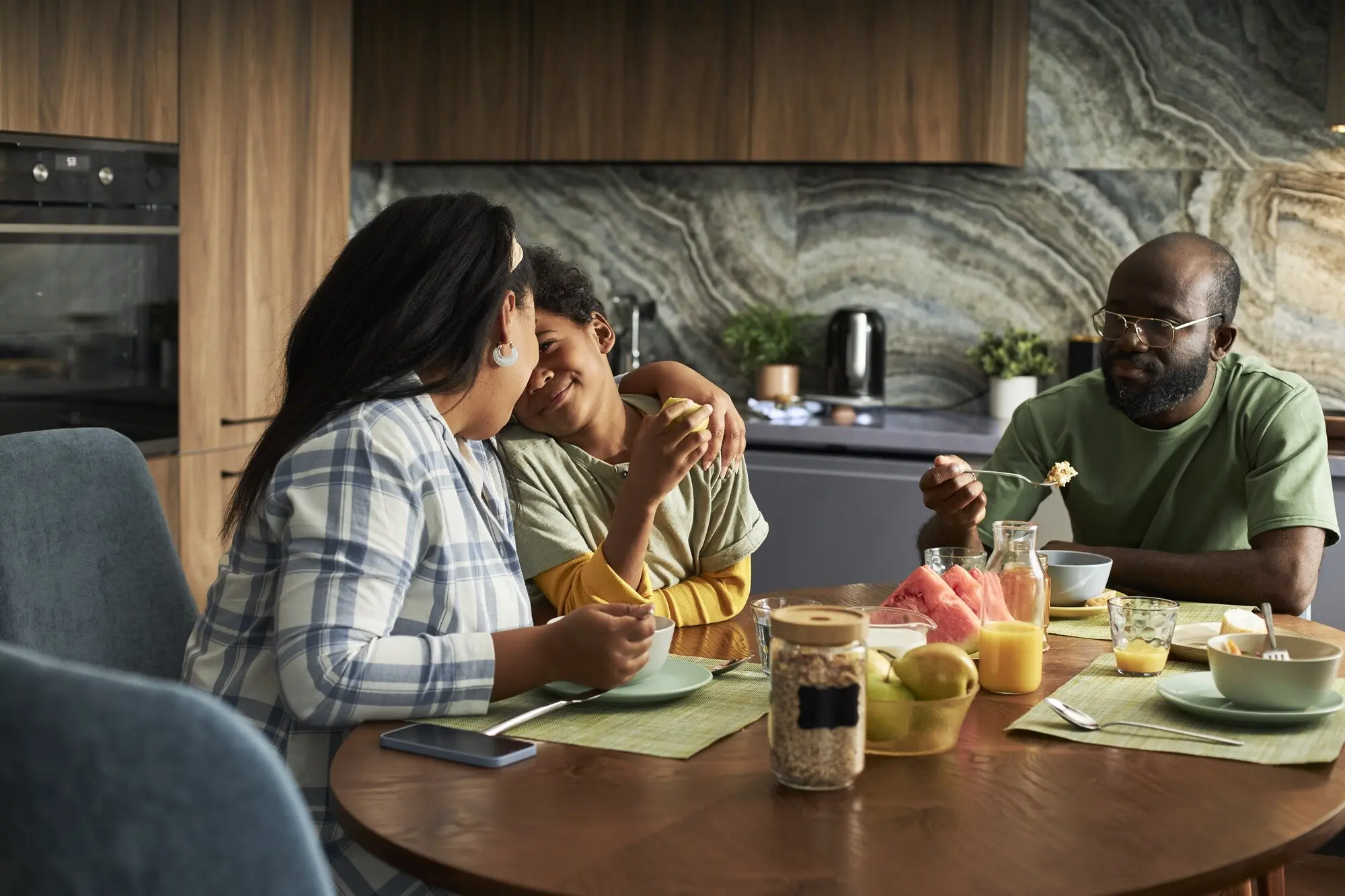
Invite a single, small choice—jam or honey, oats or toast—then reflect the reason they give. Choice fuels cooperation. When children hear their reasoning echoed back, they feel respected and follow through, even while the cereal spoon clinks and the clock keeps nudging.

When Emotions Spike

Even calm plans meet storms. When frustration surges, your job shifts from solving to stabilizing. Co-regulate first: breathe together, offer a validating reflection, and wait for the nervous system to settle. Solutions stick only after safety returns, so patience saves time later.

Pause rituals anyone can remember

Create a shared signal—a palm up, a hand to heart, or a whispered “reset.” These cues interrupt spirals without shaming. Pair the signal with one grounding action, like naming five colors you see. Rituals pre-decided in peace become dependable bridges during intensity.

Breath bridging: shared counts

Invite synchronized breathing using playful imagery: “Smell the cocoa, blow the marshmallow.” Count together, extending the exhale. This simple practice recruits the vagus nerve, slows stress chemistry, and reopens the channel for listening, so collaboration can resume without lectures or threats.

Siblings and Shared Mornings

Two ears, many voices: rotation

Announce the rotation casually: "I'll help Alex's shoes, then Mia's hair, then check Leo's bag." Reflect one feeling for each child as you pass. Predictability lowers protests, and everyone experiences being prioritized without competition devouring the limited time before the bell.

Shared stories that reduce rivalry

Announce the rotation casually: "I'll help Alex's shoes, then Mia's hair, then check Leo's bag." Reflect one feeling for each child as you pass. Predictability lowers protests, and everyone experiences being prioritized without competition devouring the limited time before the bell.

Apology circles in sneakers

Announce the rotation casually: "I'll help Alex's shoes, then Mia's hair, then check Leo's bag." Reflect one feeling for each child as you pass. Predictability lowers protests, and everyone experiences being prioritized without competition devouring the limited time before the bell.

Morning map on the fridge

Create a simple flow chart with icons kids draw themselves. Add listening prompts beside tasks: “Reflect one feeling,” “Ask one helpful question.” Celebrate checked prompts, not just completed chores. Over time, the map cues empathy automatically, making cooperation easier than resistance.

Pebble jar of listening moments

Each time someone feels heard, drop a pebble or bead into a clear jar and name the moment aloud. Tangible acknowledgment makes care visible. When the jar fills, celebrate with a cozy ritual, reinforcing that attention and empathy shape smoother starts more than speed.

Weekly reflection mini-retrospective

Choose a calm weekend minute to ask three questions: What helped? What hindered? What will we try? Keep it concise and kind, then adjust. Iteration turns intentions into culture, and each week your listening grows sturdier, guiding mornings toward dependable ease and connection.

Sustainable Habits and Tracking

Consistency grows from tiny, visible systems. Track listening wins, reflect on friction, and adjust one variable at a time. When progress becomes observable—pebble jars, sticker rows, short notes—motivation strengthens, and mornings stabilize without rigid scripts, because flexibility and empathy become the dependable routine.